
Very Seating Portfolio
Very office, conference, and side chairs offer a consistent, clean, modern design with ergonomic comfort.
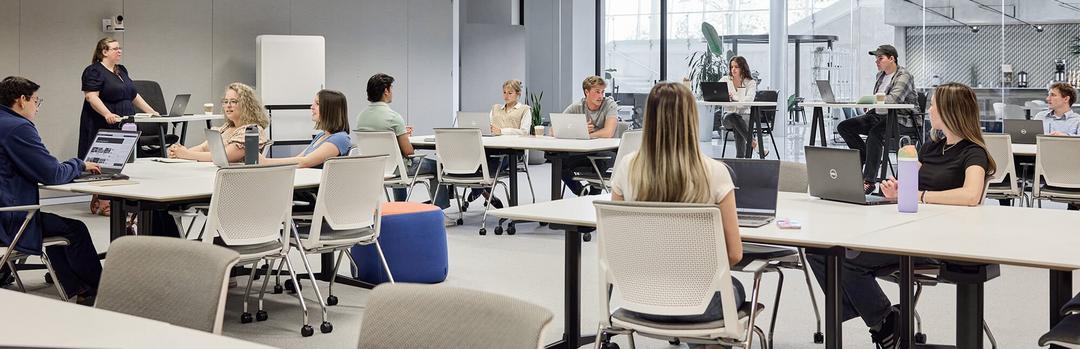
Students learn anywhere on campus. Educational spaces are becoming more versatile, and higher learning institutions must adjust accordingly. Haworth can help create modern campus environments that foster community, collaboration, and learning. From the classroom to the student union, thoughtful space design and outstanding products enhance the educational experience.
Very office, conference, and side chairs offer a consistent, clean, modern design with ergonomic comfort.

Available in a wide range of shapes, sizes, and colors, Jive tables suit many different spaces, including classrooms, collaborative study areas, and lounges.

With one shell and many base types, Maari offers a versatile statement of line for different applications.

Collaborate screens and carts enhance collaboration and flexibility within educational environments, allowing people to move them as needed.

Pergola, a freestanding architectural product, is a stunning and versatile feature that can fit a variety of needs.

The Riverbend sofa and Pebble ottoman are comfortable, modular lounge seating for social spaces.
Slide 1/6
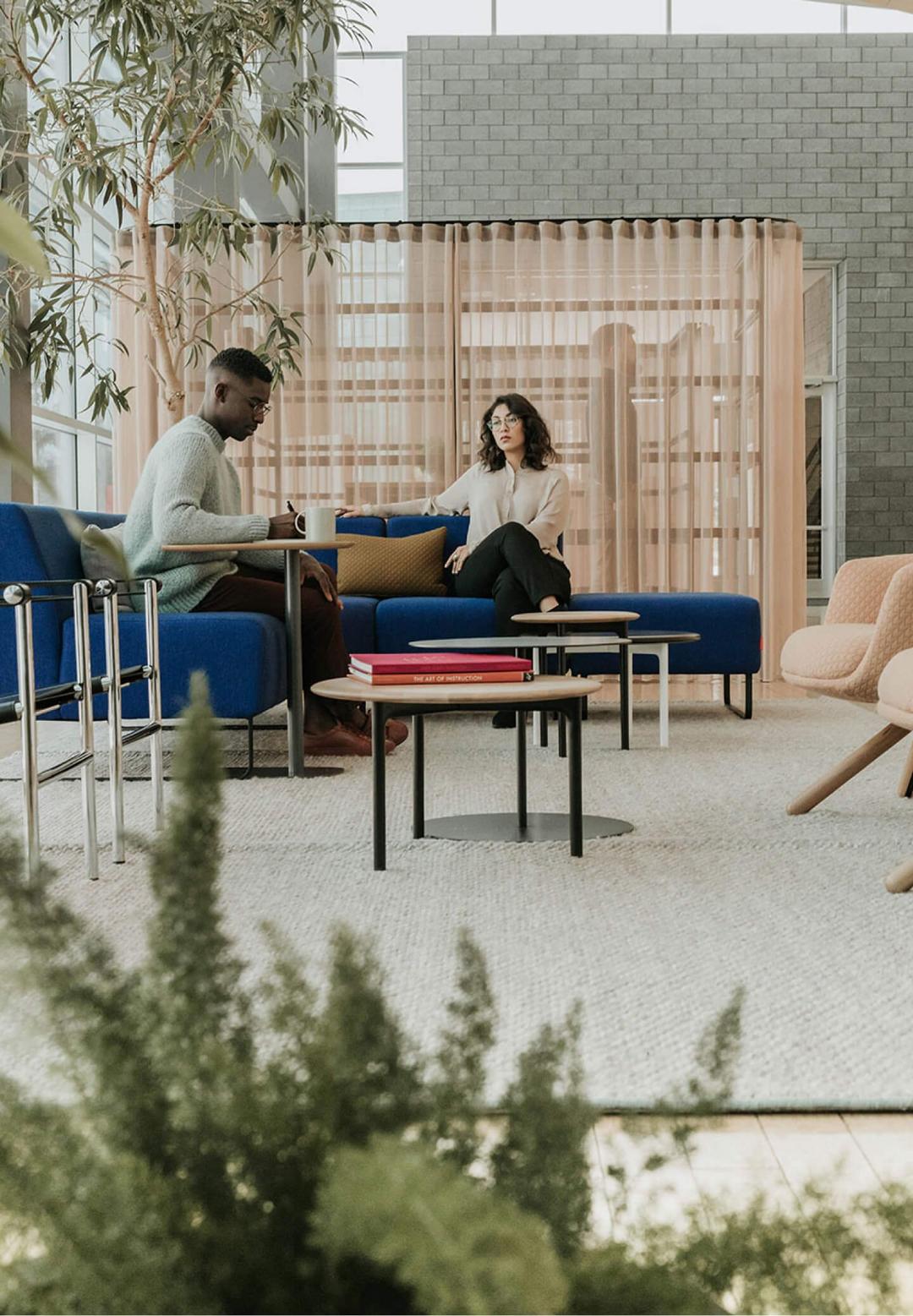

Universities and colleges are the vanguard of learning, exploration, and research. We understand that the entire campus is a holistic place—those activities aren’t confined to the classroom or the laboratory. Haworth's "4 Cs" of higher education spaces guide our approach to creating campus environments:
Change is Constant - Smart design and flexible solutions equip leaders to adjust for evolving educational dynamics.
Challenge the Status Quo - Designing campus spaces should involve considering new ideas, experimenting, and testing new approaches.
Choice is the New Norm - A variety of space types gives the campus community options for where to learn and work.
Connection is Key - Environments should facilitate student engagement and bring people together to network and collaborate.
Campus spaces should foster connection and adapt for the future of learning. Whether renovating existing environments or building new ones, it’s essential to center the needs and desires of the university community.
When designing the modern campus, it can be helpful to think of libraries, lecture halls, and other locations in more abstract terms. Isolating the fundamental purpose of each space within its broader context can help enhance its utility to the community.
Here are the 5 space types:
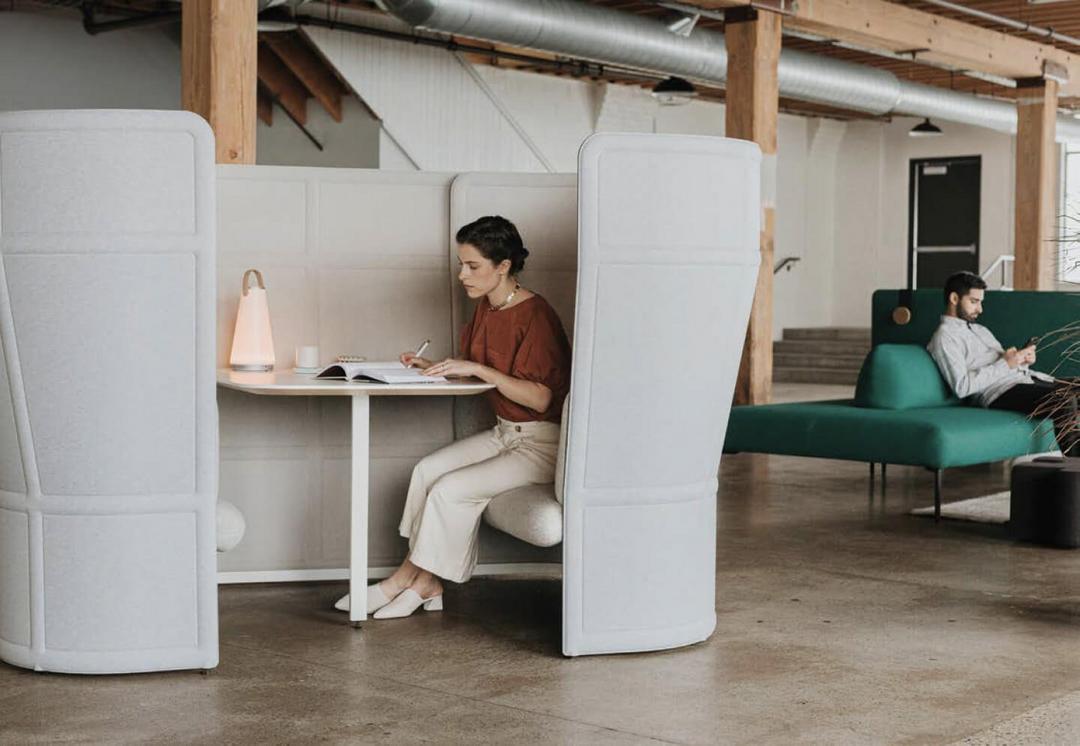
Individual – For students who need to focus and concentrate on their work.
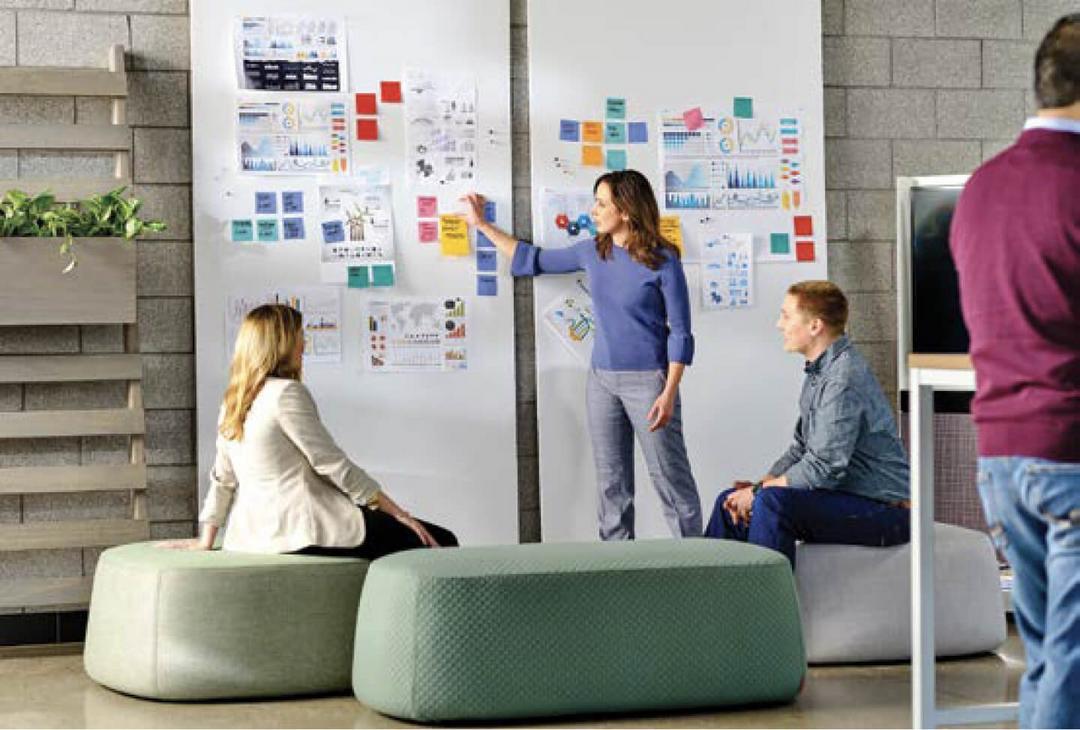
Group – For collaborative learning opportunities inside or outside the classroom.
Multi-Use – For adaptability to support multiple activities in shared common areas like building lobbies.
Living – For residential areas that meet students’ essential housing needs.
Specialty – For engineering, arts, and athletics programs that require customized spaces.
Haworth with universities and colleges to create exceptional campus settings. Not only do we offer quality products, but we offer our knowledge and experience as well.
We understand our higher ed clients’ unique needs and provides customized solutions to enhance the educational experience for everyone.

A flagship state university built a new student union to function as the heart of its community.

A community college opened a satellite campus after renovating an empty shopping mall.

A business college opened a new, state-of-the-art facility that mimics corporate spaces..
Slide 1/3
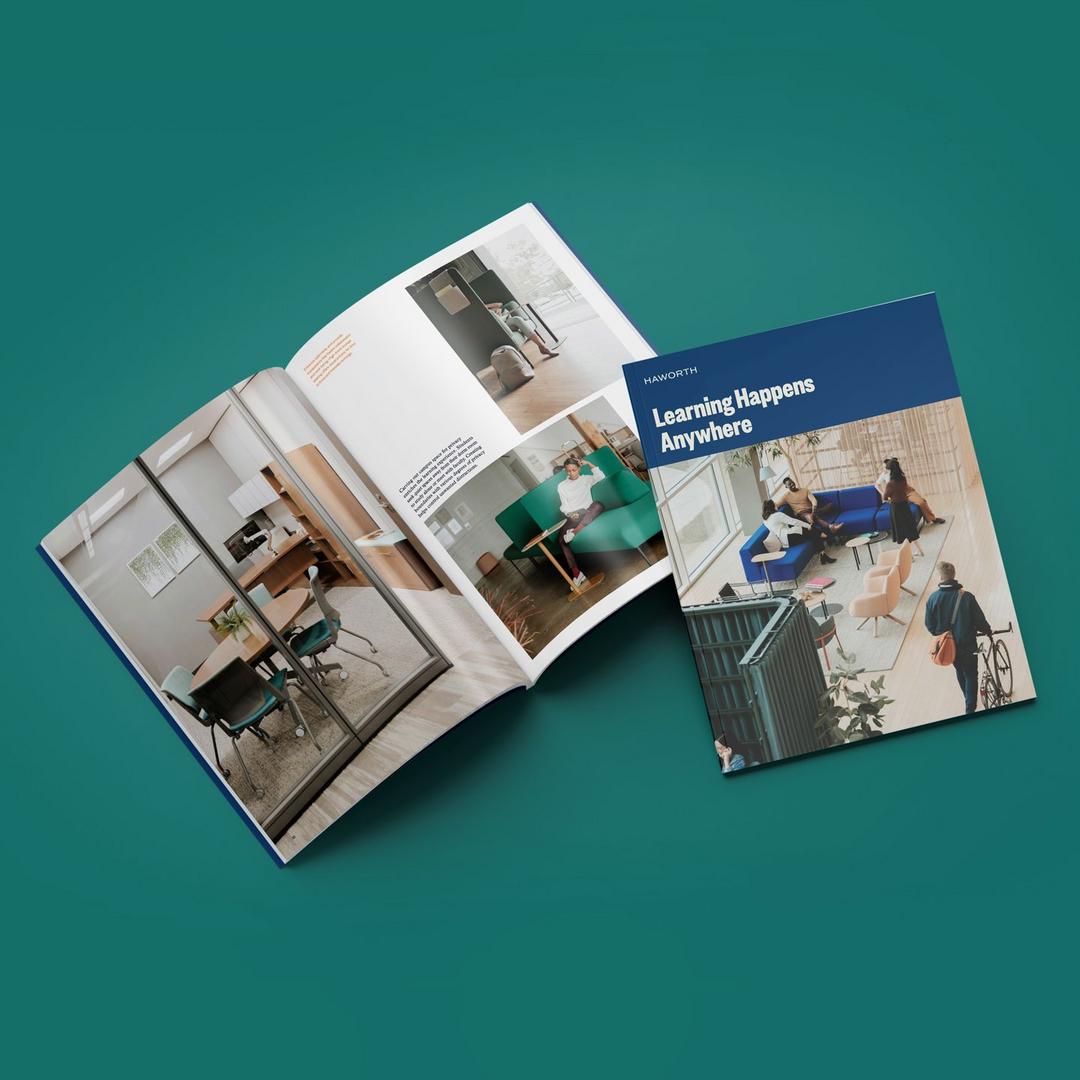
Discover how innovative campus design enriches the student and faculty experience. It helps universities stay ahead in the ever-evolving world of education. Learn how we work with higher ed clients in our lookbook.
Loading form…

